Cessna 172RG Rear RH Baffle Assembly
Cessna 172RG Rear RH Baffle Assembly
Blog Article
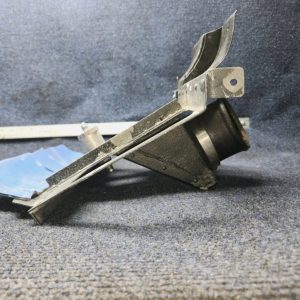
P/N 2455038-2 combines identifiable part-number information, rear right-hand positioning, cooling-air management, and maintenance value for the correct aircraft installation.
The Cessna 172RG Rear Right-Hand Baffle can support airflow management, while the Cessna 172RG Engine Baffle and Cessna 172RG Cooling Baffle descriptions should not imply universal interchangeability.
Whether described as a Cessna Cutlass Engine Baffle, Cessna 172RG Baffle Assembly, Rear RH Engine Baffle, or Aircraft Engine Baffle Assembly, precise configuration verification remains essential.
Whether buyers require a Cessna Engine Cooling Baffle, Aircraft Cooling Air Baffle, or Cessna 172RG Airflow Baffle, surrounding seals and attachment points should also be inspected.
The Cessna Aircraft Engine Baffle, Engine Cooling Baffle Assembly, Cessna Cutlass Cooling System Part, and Cessna 172RG Replacement Baffle terms represent related maintenance and commercial searches.
Understanding P/N 2455038-2
Every digit, dash, revision, or associated marking should be recorded because similar-looking baffles can differ in contour, holes, brackets, seals, and eligible applications.
Any alternate number, superseded number, drawing reference, repair marking, or donor-aircraft serial number should remain connected with the component.
Purpose of the Rear RH Engine Baffle
Cracks, missing seals, loose fasteners, or distorted edges can allow cooling air to bypass intended areas.
Unexpected temperature indications may result from multiple causes rather than the rear baffle alone.
Choosing the Correct Cessna Engine Baffle
A rear right-hand baffle should not be advertised as suitable for every Cessna 172 model merely because the aircraft share a related airframe family.
The replacement baffle should align naturally with surrounding parts and retain required clearances.
Understanding Formed Aluminum Cooling Panels
Preserving original geometry supports proper alignment and airflow management.
Unauthorized bending, hammering, heating, grinding, drilling, or trimming can damage the assembly and affect its relationship with adjacent components.
Engine Baffle Condition Evaluation
Paint, oil residue, dirt, and old seal material can conceal findings that require closer review.
Qualified evaluation helps determine whether repair, replacement, or rejection is appropriate.
Baffle Seal Condition and Air Leakage
Torn, hardened, curled, shortened, oil-soaked, missing, or incorrectly oriented seals can reduce the effectiveness of the cooling system.
Careful seal fitting supports more consistent cooling-air control.
Protecting Aircraft Cooling Components
Surface staining may be minor, while pitting, material loss, exfoliation, or corrosion around holes can require more extensive action.
Protective coatings should be compatible with the material and intended engine-compartment environment.
Crack and Fastener-Hole Inspection
Detailed attachment-point inspection supports accurate repair planning.
Forced alignment can preload thin sheet metal and contribute to recurring cracks.
Supporting Components Around the Rear RH Baffle
The complete engine-compartment area should be inspected before parts are ordered.
Used Cessna 172RG Engine Compartment Parts should be evaluated individually rather than accepted solely because they came from the same donor aircraft.
Engine Cooling Troubleshooting
A damaged rear RH baffle may contribute to cooling-air leakage, but it may not be the only cause of an abnormal indication.
Cleaning or replacing one baffle should not be presented as a guaranteed cooling improvement.
Sheet-Metal Cooling Component Restoration
A localized defect may be repairable, while widespread cracking, severe corrosion, or distorted geometry may support replacement.
Repairs should preserve the intended contour, mounting locations, clearances, seal attachment, and airflow boundary.
Evaluating a Used Aircraft Cooling Baffle
Damaged or incomplete baffles may still have repair-candidate, restoration, pattern, or reference value when described accurately.
Accurate commercial information supports responsible Cessna 172RG Replacement Baffle transactions.
Inspecting the Baffle Before Purchase
A pre-purchase review should confirm P/N 2455038-2, donor-aircraft details, model and serial applicability, engine configuration, dimensions, material condition, repairs, included seals, brackets, hardware, and documentation.
- Confirm the complete part number, donor-aircraft model, donor serial number, rear right-hand position, engine configuration, modification status, and available traceability.
- Examine hidden surfaces, fastener areas, formed corners, seal-retaining edges, lower sections, and mounting points carefully.
- Confirm the invoice, payment protection, packaging method, shipping insurance, inspection period, return conditions, and stated component status.
Preventing Damage During Storage
Professional packaging helps preserve the geometry of the Engine Cooling Baffle Assembly.
Identification tags and records should remain attached or clearly associated with the component.
Professional Engine Baffle Installation
Professional preparation protects both the replacement baffle and surrounding engine components.
Fastener holes should be inspected carefully, while hardware read more type, grip, spacing, and installation method should correspond with suitable technical data.
After installation, technicians should inspect mounting security, seal contact, clearances, cowling fit, airflow gaps, interference, and completeness.
Long-Term Rear Baffle Inspection
Consistent inspection supports the condition of the complete Cessna engine cooling system.
Preventive maintenance protects both P/N 2455038-2 and surrounding Cessna 172RG Engine Compartment Parts.
Final Thoughts on the Cessna Cutlass Baffle
The Cessna 172RG Rear RH Baffle Assembly
The strongest purchasing decision begins with confirming the complete part number, donor-aircraft details, aircraft serial applicability, engine configuration, right-hand position, dimensions, mounting geometry, seal condition, repair history, included hardware, and documentation.
Whether the project involves Cessna 172RG Engine Compartment Parts, an Aircraft Cooling Air Baffle, a Cessna 172RG Airflow Baffle, or a Cessna Aircraft Engine Baffle, every component should be inspected individually.
With prompt attention to cracks, corrosion, fasteners, seals, brackets, clearances, protective finishes, and surrounding components, the installation can preserve its condition and functionality.
Report this page